
6 мин четене
Beginner Ski Lessons Borovets: What to Expect
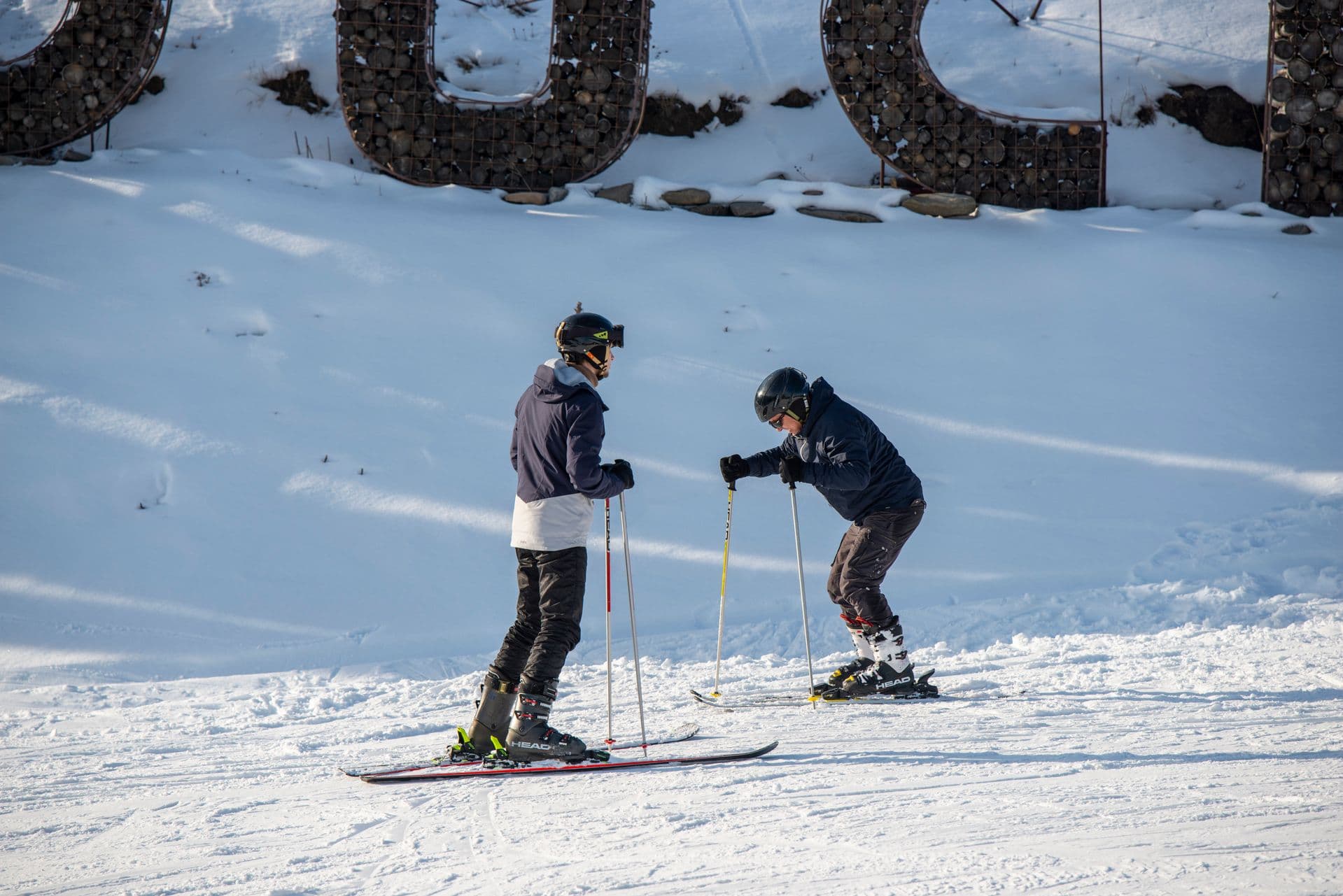
The first morning on snow usually looks the same. Boots feel strange, the skis seem longer than expected, and that gentle slope somehow looks steeper when you are standing at the top of it. That is exactly why beginner ski lessons Borovets matter. A good first lesson does not just teach you how to slide — it replaces nerves with control and turns a cold, awkward start into the moment your holiday properly begins.
Borovets is one of the best places in Europe to learn if you want a resort that feels approachable rather than overwhelming. The altitude is kind enough for first-timers, the nursery areas are accessible, and the mountain gives beginners room to improve without feeling thrown in at the deep end. For British travellers booking a short ski break, that balance matters. You want progress quickly, but you also want to enjoy it.
Why beginner ski lessons in Borovets suit first-timers
Not every resort is friendly to nervous beginners. Some have busy meeting points, long waits, and slopes that feel more chaotic than confidence-building. Borovets tends to work well because the learning terrain is straightforward, the resort layout is relatively simple, and you can start building mileage without spending half the day figuring out where to go.
That said, the resort alone does not make the difference. The real change comes from instruction that matches the person, not just the level. One beginner may be fit and fearless but struggle with technique. Another may be cautious, tense, and need a calmer pace. Lumping both into the same experience often slows everybody down.
The strongest lessons are the ones that read the skier in front of them. That means choosing the right slope at the right time, avoiding overcrowded areas when possible, and building skill in a sequence that actually makes sense. It sounds simple, but on a short holiday, it saves hours.
What happens in a first ski lesson
If you are imagining yourself being pushed straight onto a chairlift with no clue what you are doing, relax. Proper beginner ski lessons Borovets start with the basics, and that is exactly where they should start.
Your first session usually begins with equipment, stance and movement on flat snow. Before any real descent, you need to understand how the boots feel, how to clip in and out of the skis, and how to move safely with them on. It is not glamorous, but it stops the classic first-day panic.
From there, the focus shifts to balance and braking. Most beginners are less worried about turning beautifully and more worried about stopping before they hit something. Fair enough. Once you can control speed, everything else becomes less intimidating.
Then comes the part people remember — linking your first turns. Not perfect turns, and not fast ones either. Just enough control to feel that you are skiing rather than surviving. That moment usually changes the whole mood of the trip.
Day one is about trust
The biggest win on day one is not technical. It is emotional. You start trusting the skis, the slope, and your own body a bit more. If the coaching is clear and the terrain is chosen well, even anxious beginners often finish the first session standing taller than they started.
Day two is where progress becomes obvious
This is often the breakthrough day. The movements start to feel less alien, and the snowplough turns that felt clumsy suddenly begin to work. You may move onto slightly longer green or easy blue runs depending on confidence, conditions and how quickly you have picked things up.
This is also where poor lesson structure can hold people back. If a group is too mixed, one person gets bored while another gets left behind. Good coaching keeps momentum without pushing too hard.
Day three is where skiing starts to feel real
By the third day, many beginners are no longer thinking about every movement in isolation. They are starting to flow down the slope, control direction more naturally and look ahead instead of down at their boots. That is why three-day programmes work so well. One day gives you a taste. Three days gives you a platform.
Group or private lessons — which is better?
It depends on what kind of learner you are and what you want from the trip.
Group lessons can be brilliant for sociable beginners who like learning alongside others and are happy with a shared pace. They can also be a cost-effective option, especially for solo travellers or couples trying skiing for the first time. If the group is small and well matched, the atmosphere can be relaxed and motivating.
Private lessons suit people who want faster progression, more flexibility and coaching tailored to their confidence level. They are especially useful for nervous adults, families with children, or mixed-ability groups who want to stay together. A private instructor can adapt the session in real time — slow things down, repeat a tricky skill, or move on as soon as you are ready.
There is no single right answer. If your main goal is confidence and visible improvement in limited time, private or very small-group coaching often delivers more. If your priority is keeping the budget tighter while still getting a structured start, a group can do the job well.
The value of equipment being included
First-timers often underestimate how much headspace is taken up by logistics. Hiring skis, collecting boots, finding the right size helmet, wondering whether anything fits properly — it all eats into mountain time and adds stress before the lesson has even started.
When equipment is included and arranged clearly, the whole experience feels lighter. You arrive knowing what is covered, what you need to bring, and where you need to be. For visitors flying in for a few days, that simplicity matters more than people realise.
It also helps with progression. Poorly fitted boots or unsuitable skis can make a beginner feel worse than they really are. Getting set up properly from the start makes the learning curve smoother.
Why local knowledge changes the lesson
A ski school can teach on paper from any resort map. A local instructor teaches the actual mountain in front of you.
That means knowing which beginner areas stay calmer at busy times, which slopes hold better snow after a warmer afternoon, and where a nervous skier will feel safe enough to try the next step. In Borovets, that mountain knowledge is not a nice extra. It is part of what helps beginners improve faster.
There is also a practical side to it. Short winter holidays leave no room for wasted sessions. If an instructor knows exactly where to take you based on weather, crowd levels and ability, you spend more time skiing and less time standing around.
This is where schools like EPIC Ski & Snowboard School stand out. The difference is not just English-speaking instruction or tidy booking. It is the combination of personal coaching and real Borovets knowledge, used properly to get beginners comfortable quickly.
What beginners should wear and bring
Keep it simple. You need proper ski socks, waterproof trousers, a waterproof jacket, gloves, goggles or sunglasses depending on weather, and layers you can remove if you get warm. New skiers often overdress, then spend the lesson sweaty and uncomfortable.
Bring a bit of patience as well. Skiing looks effortless when other people do it. On your first day, it may feel awkward, repetitive and strangely tiring. That is normal. Progress is rarely linear for beginners. One run feels brilliant, the next feels messy, and then suddenly something clicks.
How quickly will you improve?
Most beginners can expect to learn the basics of stopping, turning and using beginner terrain within the first few sessions. Many will be skiing simple runs independently after three days, especially with consistent coaching. But ability, confidence, fitness and snow conditions all play a part.
Children often learn faster physically but may need fun and variety to stay engaged. Adults usually progress well when instructions are clear, though fear can slow things down more than fitness. If you are tense, everything feels harder. That does not mean you are bad at skiing. It usually means you need the lesson pitched properly.
The goal for a beginner should not be to look polished by the end of day two. It should be to feel in control, safe and excited to go again tomorrow.
Choosing the right beginner ski lessons Borovets
If you are comparing options, look beyond the headline price. Ask what is included, how group levels are managed, whether the instructors speak clear English, and how easy the process feels before you arrive. If booking is confusing at the start, it rarely gets simpler on snow.
It is also worth checking how the school thinks about progression. Do they offer a clear multi-day path? Do they tailor lessons to children, adults and families differently? Do they understand that a nervous beginner and a sporty first-timer need different coaching styles? Those details shape the experience far more than flashy promises.
A good lesson leaves you tired, proud and keen for the next run. A bad one leaves you cold, confused and wondering whether skiing is for you. The gap between those two outcomes is often the instructor.
If this is your first ski trip, do not worry about looking the part. Nobody starts elegant. Start with the right help, give yourself a couple of days to settle in, and let the mountain open up at the right speed. The best beginner skiers are not the fearless ones — they are the ones who keep showing up for the next run.
Готови ли сте да го приложите на снега?
Запази разговор